A Second Wind
Five years ago, I almost quit comics entirely.
Burnt out. Exhausted with the industry. Locked in a legal fight with Action Lab to get my publishing rights back. After about a decade of the indie comics grind, I was done.
Then I discovered the web3 space — and it flipped a switch.
I dove deep, past the scams and cash grabs (there were plenty), and saw undeniable potential for new digital tooling and experiences that could solve real problems indie creators face. Considering that the vast majority of creators I know can’t make a living doing what they love without a day job, I thought there could be something worth building there.
So I co-founded dReader — a startup digital comics platform — as an attempt to give creators a new tool in the never-ending journey to monetize, grow, and own their relationship with readers, while giving readers novel digital experiences and collectibles.
What We Built
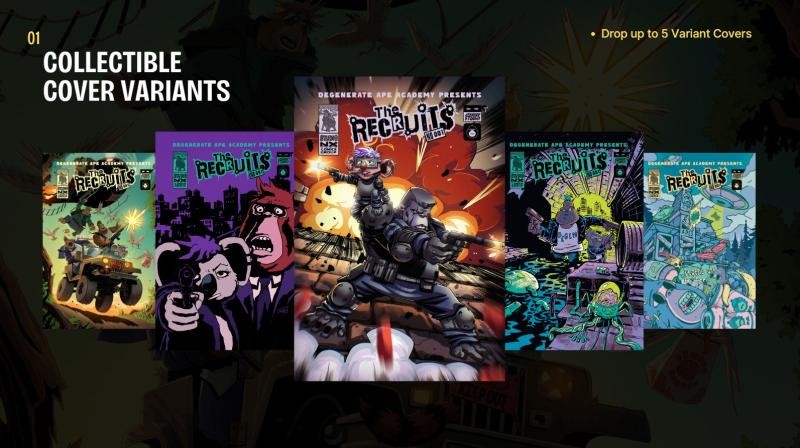
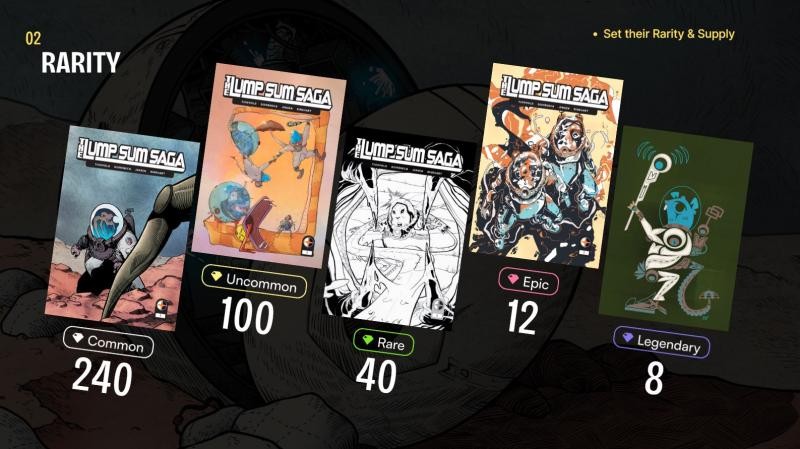
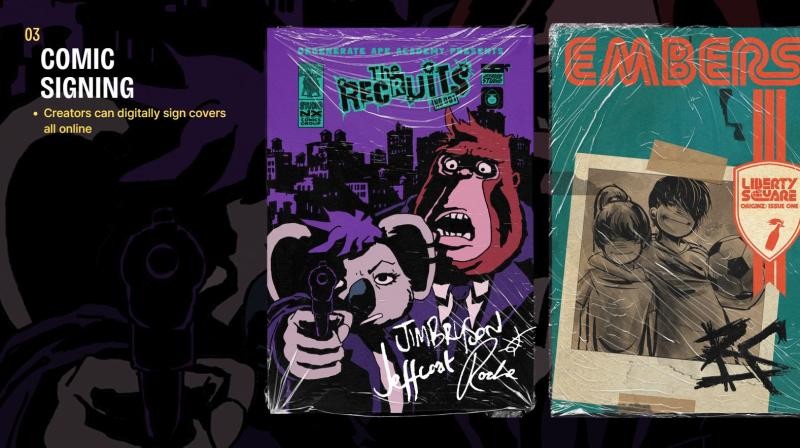
dReader was an indie-first, on-chain digital collectible comics platform. We built from the bottom up — not for major publishers — but with and for the underdogs.
The features that made it different:
- Blind drops with multiple collectible covers and rarity tiers
- Scarcity and edition numbers baked into every release
- Digital signatures and remarques at the creator’s discretion
- Wear and tear added to covers over time — read copies looked read
- Resale royalties — a percentage of secondary sales going back to creators
Marvel and DC had their walled gardens — VeVe and CANDY. There was no equivalent for indie creators. We tried to build it.
Our Time in the Sun
Within a few months of launching we’d helped creators make $100,000 in sales across 7 drops, selling about 6,000 digital comics — all from indie creators and small brands, with no major publisher.
We also raised $50,000 in sponsorship funding that went directly to creators, and got $70,000 in paid gigs over to artists and writers from brands looking for creative hires.
These weren’t meme coins or speculative assets. They were digital comics. And people collected them when the experience, intent, and community were right.
Why It Failed
Startups fail for a multitude of reasons. We were no different.
At the end of the day, we were too early. Doomed to hover in purgatory — neither degen enough for the crypto crowd, nor traditional enough for the comics industry. A bootstrapped startup with zero outside funding, building infrastructure for a market that didn’t fully exist yet.
You live and you learn.
What’s Still Possible
The potential I saw hasn’t gone away. Here’s a short list of what’s either here now or becoming viable:
- Digital comics as collectibles — real scarcity, rarity, and provenance
- Gamified collecting — blind drops, rarities, digital remarques
- Resale royalties — secondary market revenue back to creators
- Token-gated perks — exclusive Discords, merch, and content
- Physical-digital twins — a physical comic linked to its digital counterpart
- True digital ownership — read, gift, trade, or sell your comics
- Creator-owned supporter data — connect directly with your audience
- Interactive storytelling — comics that evolve based on community input
What Comes Next
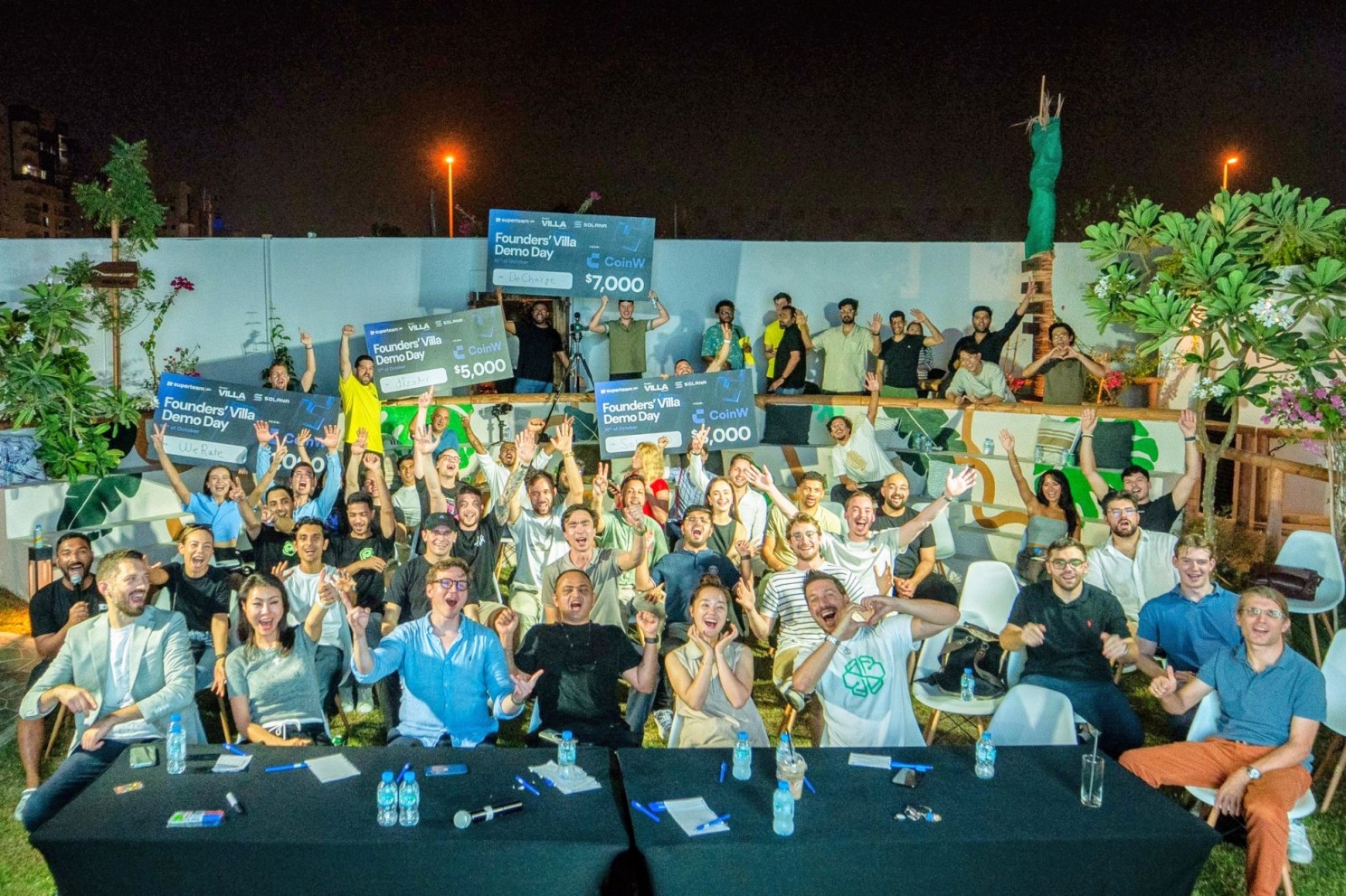
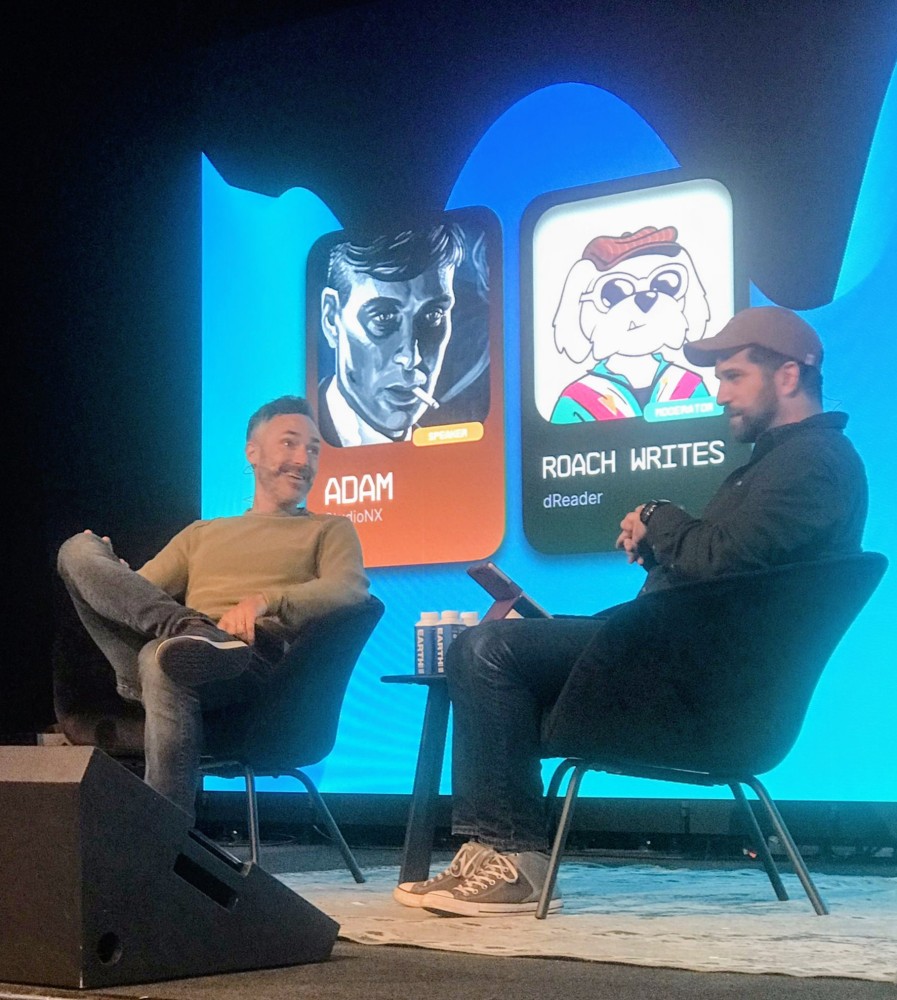
Over the last few years I found myself speaking at tech conferences in Dubai, Amsterdam, and NYC — preaching the importance of comics as IP development, the value of artists, and the uphill battle creators face globally.
Those moments reinforced something: the intersection of comics, art, and technology still matters. The experiments still need to happen.
Digital isn’t here to replace print. It’s just another playground to grow community, deliver experiences, and connect directly with fans.
What we’re building at Muse Ink is what comes next. Original IP. Partner campaigns. Hybrid collectible drops. A destination where the catalog lives in one place.
We’re still early. The most interesting experiments are still ahead.
James E. Roche (Roach) is a writer and studio founder. He runs Muse Ink, focused on comics, art, and digital-collectible drops.